Are all implant treatments the same complexity?
Usually replacement of one or two teeth are straightforward requiring a short procedure. Advanced or complex cases may require staged procedures involving bone grafting or augmentation followed by implant placement and restoration in different stages. A full assessment and planning is necessary to identify different anatomical, functional and aesthetic needs to be able to determine the true complexity of each case.
Straightforward Cases:
Most implant cases are classified as straightforward and therefore can easily be carried out under a Local Anaesthetic (dental injection-as in any routine dental treatment). Nevertheless patients who have significant systemic medical conditions usually benefit from having their treatment carried out in a hospital setting under the supervision of medical staff.
Advance or Complex Cases:
Some implant cases are complex either from surgical point of view (usually as a result of shrinkage of the jaw bone due to disuse atrophy or shrinkage) or from prosthodontics perspective (e.g. multiple missing teeth; difficult bite/occlusion; clenching/grinding habit etc.). These cases require more meticulous planning and the treatment can take longer to complete. In more complex cases such as bone grafts, implant treatment can be carried out under intravenous sedation.
Patients with special needs and patients with dental anxiety or phobia:
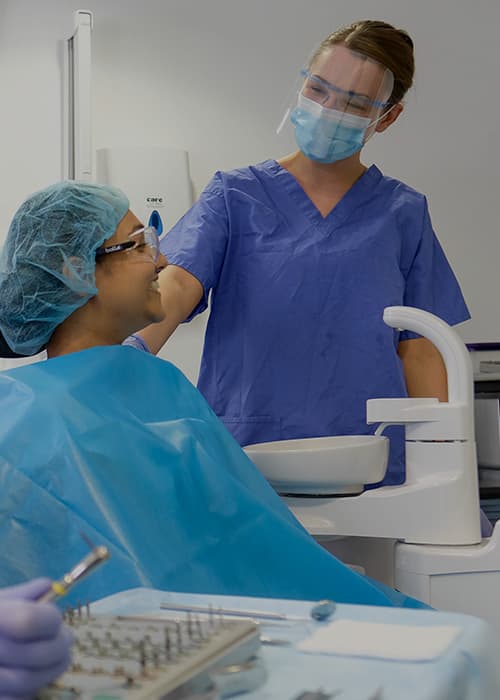
We offer treatment under sedation for patients with special needs and those who suffer from dental anxiety to eliminate stress and discomfort and to make the delivery of the treatment much more pleasant. We will discuss all options with you during the first consultation visit ( see further information on patient journey section).
There many factors that may influence the decision for the choice of the best anaesthetic for implant surgery. Usually sedation at a hospital setting is the ideal way to have implant treatment in complex cases that require multiple implants and/or bone augmentation or grafting procedures.
Fix failed dental implants
While dental implants have a high success rate, complications can occasionally occur. If an implant becomes loose, painful, or fails to integrate with the jawbone, it is often a distressing experience for patients. However, at our Manchester-based clinic, we specialise in reconstructive oral surgery and remedial treatments to restore your smile and confidence.
Common reasons for implant failure include:
- Poor Integration (Osseointegration): This happens when the bone doesn’t properly fuse with the implant, often due to insufficient bone density or health factors.
- Mechanical Complications: Such as loose screws, worn components, or fractures in the crown or bridge.
- Medical & Lifestyle Factors: Uncontrolled diabetes, smoking, or teeth grinding (bruxism) can put extra stress on the implant site.
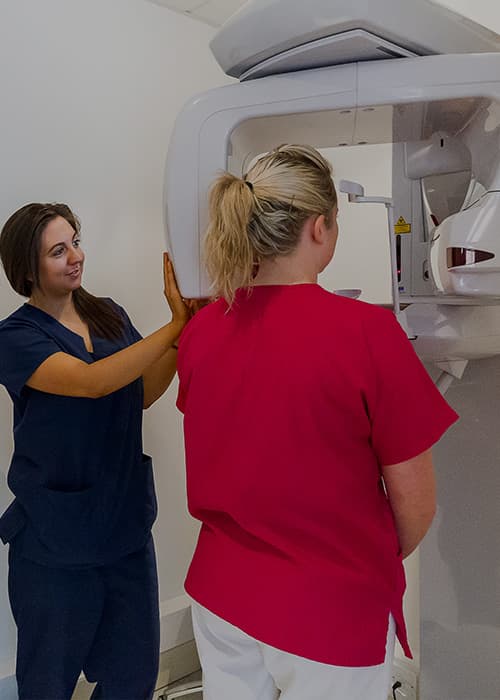
How we can help: Our team, led by renowned specialist Professor Cemal Ucer, uses advanced 3D CT scanning and digital dentistry to diagnose why an implant failed. Our treatment approach is tailored to your specific needs and may include:
- Removal and Replacement: Carefully removing a failing implant and preparing the site for a new, stable replacement.
- Bone Grafting & Reconstruction: If bone loss was the cause of failure, we can perform sophisticated bone or soft tissue grafting to rebuild the foundation of your jaw.
- Complex Case Management: As a specialist referral centre, we tackle even the most difficult cases, including those requiring Zygomatic (cheekbone) implants when traditional jawbone support is unavailable.
Peri-implantitis treatment in Manchester
Just as natural teeth can suffer from gum disease, dental implants are susceptible to a condition called Peri-implantitis. This is an inflammatory disease that affects the tissues and bone surrounding a dental implant. If left untreated, it can lead to bone loss and, eventually, the loss of the implant itself.
Signs to look out for:
- Red, swollen, or bleeding gums around the implant.
- Pus or a bad taste coming from the site.
- A feeling that the implant is becoming loose.
- Dull ache or discomfort when brushing or chewing.
Our Approach to Treatment: Early detection is key to saving your implant. At Ucer Clinic, we offer specialised hygiene maintenance and advanced clinical treatments to bring the infection under control:
- Specialist Hygiene Care: Our implant-trained hygienists use professional deep cleaning techniques (debridement) and air-polishing to remove harmful bacterial biofilms that cause inflammation.
- Non-Surgical Therapy: Using antimicrobial treatments and meticulous cleaning to resolve early-stage peri-implant mucositis before it reaches the bone.
- Surgical Intervention: In more advanced cases, we may perform minor surgery to clean the implant surface directly, remove infected tissue, or use regenerative materials to encourage bone regrowth.
Our goal is to stabilise your oral health and provide you with a long-term maintenance plan to ensure your implants remain healthy for decades to come.
Frequently asked questions
The most common sign of a failing implant is movement or a feeling that the replacement tooth is slightly loose. While some minor discomfort is expected immediately after surgery, a healthy, healed implant should be completely painless; therefore, any sudden throbbing, persistent pain, or swelling around the site is a red flag. You should also look out for signs of infection, such as gums that appear angry and red, or a receding gum line that begins to expose the metal post of the implant. If you notice a bad taste in your mouth or find that the implant feels different when you bite down, it is important to have it assessed by a specialist immediately to see if the restoration can be saved.
Peri-implantitis is essentially a form of gum disease that specifically affects the area around a dental implant. It is caused by a build-up of bacteria, which triggers inflammation and, if left unchecked, begins to destroy the bone supporting the implant. Treatment usually begins with a professional deep clean using specialised tools that remove the bacterial biofilm without scratching the implant surface. In more advanced cases, a specialist like Professor Ucer may perform a minor surgical procedure to clean the deep-seated infection directly and potentially use bone-grafting materials to rebuild the lost support. Early intervention is the best way to stop the infection and prevent the implant from falling out.
Even if an implant has been successful for many years, it can still fail due to late-stage complications, most commonly caused by changes in your oral health or physical habits. A primary cause is the development of peri-implantitis due to a change in hygiene or systemic health (such as the onset of diabetes). Another common factor is mechanical stress; for example, if you have developed a habit of grinding your teeth (bruxism), the constant heavy pressure can eventually cause the implant to lose its bond with the jawbone or lead to the metal components fracturing. Regular check-ups are vital because they allow your dentist to spot these subtle changes in bone density or bite pressure before they lead to a total failure.
Yes, Ucer Clinic is a leading specialist referral centre in Manchester, and we frequently welcome patients who have had their initial treatment at other practices, including those who have had dental work abroad. We understand that it can be stressful when things go wrong with a significant investment in your smile, which is why we offer comprehensive rescue assessments. Our team has the advanced 3D imaging technology and surgical expertise required to diagnose issues with almost any implant system. Whether you are dealing with an infection, a loose crown, or a more complex structural failure, we can provide the remedial care and reconstructive surgery needed to restore your dental health.